The answer is on the bottle.
Antidote is decision support for doctors treating pesticide poisoning. Photograph the label and get the chemical, its WHO hazard class, and the national guideline's own words on treatment, or a stop when no antidote exists.
In 94 percent of recorded pesticide poisonings in India, the chemical went unidentified (PAN India, 2026). In 2013, 23 children in Bihar died after a school meal; the poison, monocrotophos, was named four days later (Al Jazeera). Antidote names it from the label in under 30 seconds.
Decision support for trained clinicians. Airway, breathing, circulation first. National Poisons Information Centre, AIIMS: 1800-116-117
Which bottle came in with the patient?
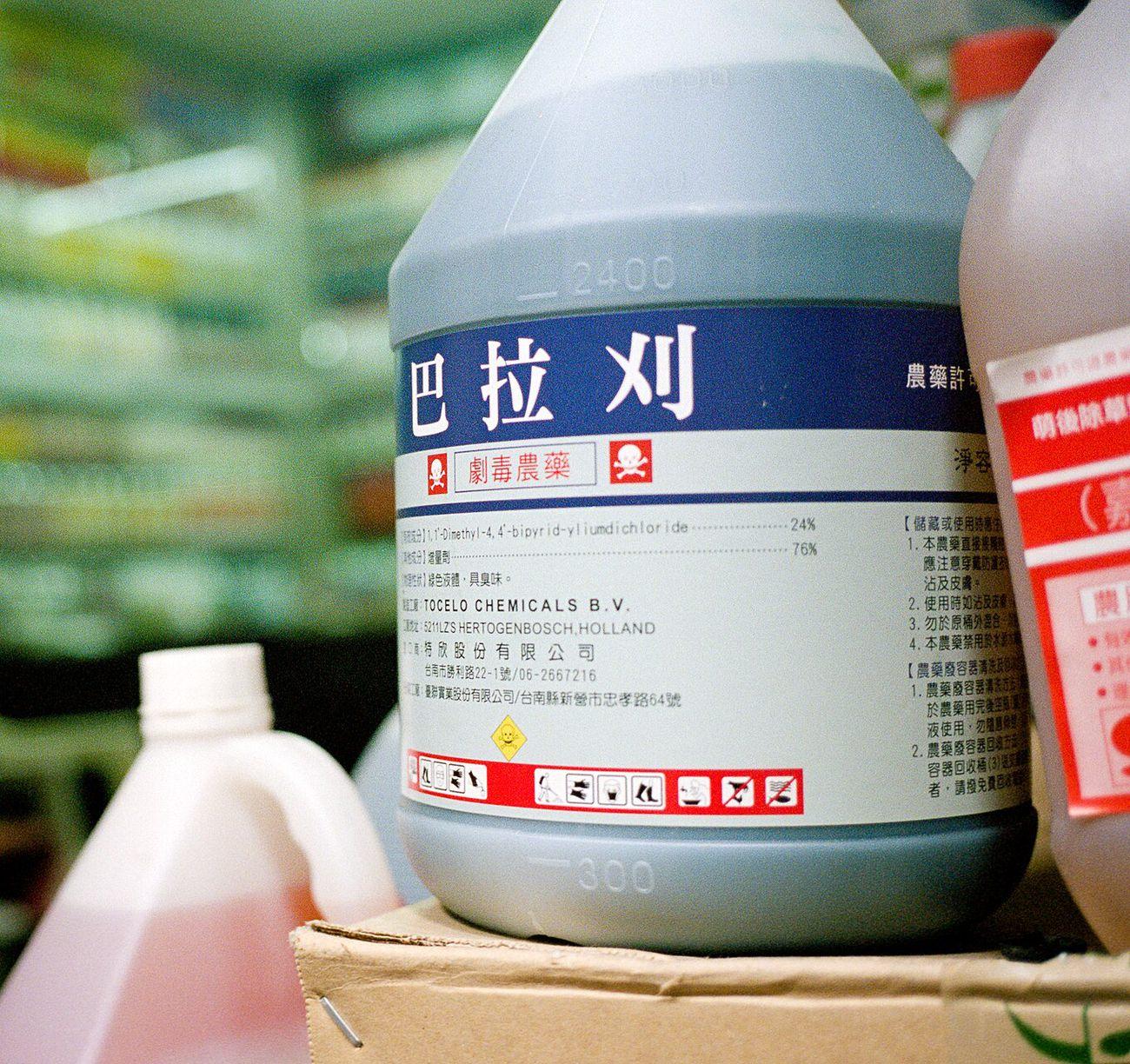
Gramoxone
Paraquat dichloride 24% SL
Highly toxic triangle on the label
- Chemical
- paraquat dichloride
- Group
- Paraquat (bipyridyl herbicide)
- WHO class
- II
- Status
- restricted in India
Stop
No specific antidote for Paraquat (bipyridyl herbicide). Do not give atropine for this exposure. Management is supportive per the cited guidance.
Stop
Paraquat: avoid supplemental oxygen unless the patient is hypoxic; oxygen accelerates lung injury. See the cited guidance.
“So therefore, oxygen therapy should be avoided in Paraquat poisoning until there is evidence of hypoxia (SpO2 is dropped to < 90%).”
Recorded live run: 7 of 7 quotes verified on their pages, Nemotron 3 Ultra audit approved. Run it live
Antidote in one minute
What it is
A bedside card for the doctor in casualty. The family brings the bottle; one photo of the label gives the chemical, how dangerous it is, and the treatment quoted word for word from India's national guidelines, each sentence with its page.
Why it matters
Pesticides look alike in an emergency, but their treatments are opposites. Atropine saves an organophosphate patient and has no role in paraquat, where extra oxygen can make things worse. Every Indian label legally carries the answer.
How it works
Open NVIDIA Nemotron models on Nebius Token Factory read the label and assemble the card. A government registry, not the model, decides whether an antidote exists; fixed rules block lethal errors, and a larger model audits every card against both guidelines in full.
Why it matters
70%
is about the case fatality for paraquat and for aluminium phosphide, against close to 0 percent for many newer pesticides. The product decides the outcome, and WHO tells families to bring the bottle. WHO, 2008
Paraquat was diagnosed by “physical verification of the container of the poison or by the pictures of the container on WhatsApp shared by the patient's relatives”; before referral, many had been given atropine, pralidoxime and oxygen.
31.8%
of patients in a Bangladesh hospital series were misdiagnosed from their symptoms alone. Verma, Eddleston et al., 2024
18 of 318
pesticides registered in India in 2019 were rated extremely or highly hazardous by WHO. Bonvoisin et al., 2020
110,000+
pesticide self-poisoning deaths a year worldwide. Mew et al., 2017
How it works
Models read and draft. A registry, rules and a verifier decide what reaches the doctor.
Read the label
Reads the product, the chemical and its percentage, the toxicity triangle and the printed antidote statement from one photo.
NVIDIA Nemotron 3.5 Super VL and a second reader
Match the registry
Looks the chemical up among 140 chemicals in the registry, each with its WHO 2019 hazard class and source line.
Registry lookup, with a Tavily brand check
Decide: antidote or stop
The registry, not a model, decides whether an antidote exists. Paraquat and phosphides get the stop card first.
Chemical-group table
Compose and audit the card
Builds the card only from numbered sentences of the national module and the ISCCM 2024 statement, then audits it against both in full.
NVIDIA Nemotron 3 Super, audited by Nemotron 3 Ultra
Record and watch
Fills the medico-legal register row from the label, and turns the register into a district early warning.
NVIDIA Nemotron 3.5 Lightning for the district brief
Which model does what
| Job | Model | Runs on |
|---|---|---|
| Read the label | Nemotron 3.5 Super VL, plus a second reader | Token Factory |
| Tidy the label text | Nemotron 3 Nano | Token Factory |
| Check an unknown brand | Tavily search | Tavily |
| Compose the card | Nemotron 3 Super | Token Factory |
| Audit against both guidelines | Nemotron 3 Ultra, 1M-token context | Token Factory |
| District surveillance brief | Nemotron 3.5 Lightning | Token Factory |
| Read labels with no internet | Nemotron Nano 12B v2 VL | Laptop GPU |
| Verification job, vision endpoint | Nemotron Nano 12B v2 VL | Nebius Serverless |
Try it, no bottle needed
Pick a label. Each sample runs the real pipeline live on Nebius Token Factory, from reading the label to the register row. One is not a pesticide at all, to test that Antidote keeps antidotes away from it.
- Dursban: chlorpyrifos 20% ECYellow triangle. Label says 'Atropine is the antidote'. Farmer drowsy, drooling, pinpoint pupils.Organophosphate, WHO class II. Expected: cited cholinergic toxidrome and antidote guidance, no stop.Run this sampleDownload as JSON
- Gramoxone: paraquat dichloride 24% SLYellow triangle. Patient vomiting, mouth ulcers, otherwise looks well for now.Paraquat. Expected: STOP card (no antidote, no atropine), oxygen caution quoted from ISCCM 2024.Run this sampleDownload as JSON
- Cyperkill: cypermethrin 10% ECYellow triangle. Sprayer exposure, tingling face, nausea.Pyrethroid. Expected: STOP card (no antidote); atropine blocked by rules if it appears.Run this sampleDownload as JSON
- Celphos: aluminium phosphide 56%Red triangle. Tablet ingestion, garlic smell, falling blood pressure.Metal phosphide. Expected: STOP card, urgent critical-care referral quoted.Run this sampleDownload as JSON
- Furadan: carbofuran 3% CGRed triangle, granules. Child found with granules, now sweating and vomiting.Carbamate, WHO class Ib. Expected: cited cholinergic guidance; oxime caution per the module.Run this sampleDownload as JSON
- Not a pesticide: IFFCO ureaA fertiliser bag brought in by the family.Negative control. Expected: 'not a pesticide', general approach only, no antidote row.Run this sampleDownload as JSON
What Antidote refuses
These are rules, not suggestions a model may ignore. They fire before the model is allowed to speak, and every one is tested on each evaluation run.
What the doctor sees first for a paraquat label
Stop
No specific antidote for Paraquat (bipyridyl herbicide). Do not give atropine for this exposure. Management is supportive per the cited guidance.
Stop
Paraquat: avoid supplemental oxygen unless the patient is hypoxic; oxygen accelerates lung injury. See the cited guidance.
Atropine for paraquat, pyrethroids or phosphides
Atropine or an oxime is offered only for organophosphates and carbamates.
Oxygen for paraquat before hypoxia
Supplemental oxygen accelerates paraquat lung injury; avoided until saturation falls.
Any dose written by the model
Doses appear only inside quoted guideline sentences, with their page.
An antidote for an unconfirmed product
Below 75 percent match confidence the antidote section is withheld until the doctor confirms the bottle.
Induced vomiting for any pesticide
No ipecac and no induced vomiting for a pesticide ingestion.
Pesticide guidance for something that is not one
Fertilisers, cleaners and medicines are routed to the general approach, never to a pesticide antidote.
Results
Tested on what treating doctors have already published, on real label photos, and against a general model asked directly.
0 of 123
cards that would point a doctor the wrong way, across 55 published poisoning cases and 68 real label photos.
10 of 12
cases where the treating team first mistook the poison that Antidote would have set right.
107 vs 0
drug doses with no source: a general model asked directly, against Antidote.
10 of 10
lethal-error sentences, such as atropine for paraquat, blocked by the rules alone.
Who it is for
The medical officer at a health centre
Gets the chemical and the cited guidance in seconds, and a stop when the common error would be lethal.
The casualty nurse
Knows which questions to ask the family and what to prepare before the doctor arrives.
The poison-centre pharmacist
Hears the product, chemical, registration number and hazard class read off the label, instead of a white bottle with a red triangle.
Beyond the bedside
District early warning
The register becomes a signal: clusters of spraying poisonings and banned chemicals still in circulation, explained in a brief for the district officer.
See the register and the briefBring your own data
Upload your antidote stock list and your state protocol. The card then says whether the antidote is on your shelf, and draws on your protocol beside the national one.
Data and uploadsAn API and an agent tool
Create a key and call Antidote from your own software, or let an agent use its seven tools through MCP and Hermes Agent.
Get an API keyThe poison centre, one tap away
Every card shows 1800-116-117, and the register row filled from the label holds what the poison centre will ask: product, chemical, registration number and hazard class.
See a card